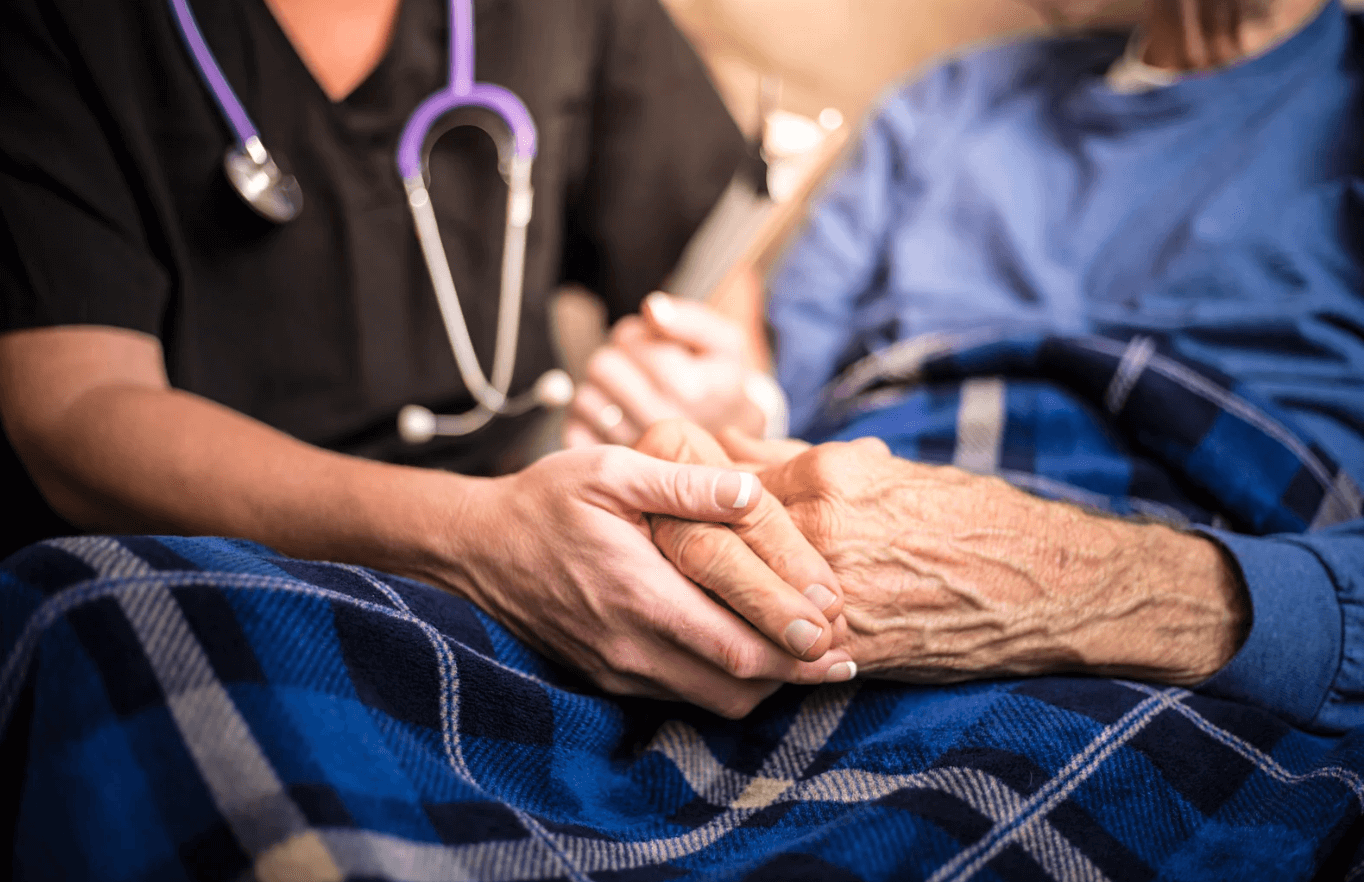
Healthcare professionals who work in hospice settings understand that providing end-of-life care requires exceptional skill, compassion, and expertise. The difference between adequate hospice care and exceptional hospice care often comes down to one critical factor: the commitment to ongoing training and professional development.
Hospice care represents one of the most complex areas in healthcare, requiring professionals to navigate medical, emotional, spiritual, and family dynamics simultaneously.
This complexity makes continuous education not just beneficial but essential for delivering the highest standard of care. Why ongoing training matters in hospice care becomes evident when examining the multifaceted challenges that hospice professionals face daily and the evolving nature of end-of-life care practices.
What makes ongoing training essential
Effective hospice care depends on several key components that require continuous refinement and development.
#1 Evolving medical knowledge
Medical understanding advances continuously, and hospice professionals must stay current with the latest developments in pain management, symptom control, and evidence-based practices. What was considered the gold standard in palliative care five years ago may have been significantly refined or replaced entirely.
Recent advances in breakthrough pain management protocols exemplify this evolution. Healthcare professionals who completed their initial training years ago but haven’t engaged in ongoing education may still rely on outdated approaches that could compromise patient comfort.
Modern hospice care requires familiarity with new medications, updated dosing protocols, and innovative delivery methods that can dramatically improve patient quality of life.
Long-acting opioids, transdermal patches, and sublingual medications offer different options for managing complex pain patterns in terminally ill patients.
#2 Advanced communication strategies
Effective communication in hospice settings requires specialized skills that extend far beyond basic patient interaction. Healthcare professionals must navigate conversations about prognosis, treatment limitations, and end-of-life wishes with exceptional sensitivity and clarity.
Research in healthcare communication has identified specific techniques that improve patient and family satisfaction while reducing anxiety and confusion.
These evidence-based approaches help professionals guide difficult conversations more effectively and support families through the grieving process.
| Traditional Communication | Evidence-Based Approach |
| Direct prognostic statements | Exploring patient/family understanding first |
| Avoiding emotional responses | Creating safe spaces for grief expression |
| Standard information delivery | Culturally adapted communication styles |
| Medical jargon usage | Plain language with verification of understanding |
#3 Cultural competency and sensitivity
Healthcare delivery occurs within increasingly diverse communities, where death rituals, family dynamics, and spiritual beliefs vary significantly across cultural backgrounds. Effective hospice care requires understanding and respecting these differences while providing medically appropriate treatment.
Cultural competency training helps healthcare professionals recognize how different communities approach end-of-life care, family decision-making, and grief expression. This knowledge enables providers to adapt their care approaches to align with patient and family values while maintaining clinical standards.
Religious and spiritual considerations often play central roles in end-of-life care decisions. Training in spiritual care principles helps healthcare professionals support patients and families regardless of their specific belief systems.
How ongoing training transforms patient outcomes
Investment in continuous education produces measurable improvements across multiple dimensions of hospice care quality and effectiveness.
Enhanced clinical recognition
Well-trained staff demonstrate superior ability to identify early signs of complications and symptom changes. This enhanced recognition capability allows for proactive interventions that can prevent emergency situations and maintain patient comfort levels.
Advanced assessment skills developed through ongoing training enable healthcare professionals to distinguish between different types of pain, recognize medication side effects early, and identify when treatment approaches need modification.
Improved patient and family satisfaction
Healthcare organizations that prioritize ongoing training consistently achieve higher satisfaction scores from patients and families. This improvement reflects both enhanced clinical competency and better communication skills among staff members.
Families report greater confidence in care teams when staff demonstrate current knowledge and handle challenging situations with professional competence. This confidence translates into better cooperation with treatment plans and reduced anxiety during the hospice experience.
Reduced staff turnover
Organizations investing in comprehensive ongoing training programs typically experience lower staff turnover rates. Continuous professional development helps prevent burnout by ensuring staff feel competent and prepared to handle the challenges of hospice care.
Career advancement opportunities created through ongoing training also contribute to improved retention rates, as healthcare professionals see clear pathways for growth within the hospice care field.
The preparation process
Regular updates on medication management, symptom assessment, and emergency protocols ensure clinical skills remain current and effective. These refresher programs help maintain competency levels and introduce new techniques and technologies.
Pain and symptom management protocols continue evolving based on research findings and clinical experience. Regular training ensures healthcare professionals understand current best practices and can implement them effectively.
Emotional intelligence development
Working with terminally ill patients and grieving families requires sophisticated emotional intelligence skills that benefit from ongoing development.
Training programs help healthcare professionals manage their own emotional responses while providing appropriate support to patients and families.
Grief counselling techniques, family dynamics understanding, and stress management skills all contribute to more effective patient care and improved job satisfaction among healthcare professionals.
Technology integration
Modern hospice care increasingly incorporates technological solutions, from electronic health records to telehealth consultations. Regular training ensures staff can utilize these tools effectively while maintaining the personal connection that characterizes quality hospice care.
Documentation systems, communication platforms, and monitoring devices all require ongoing training to maximize their benefits for patient care and operational efficiency.
Regulatory and compliance updates
Healthcare regulations and compliance requirements change regularly, requiring ongoing education to ensure organizational and individual compliance. Training programs help staff understand legal obligations and navigate ethical dilemmas with confidence.
Quality reporting requirements, medication regulations, and privacy protections all require current knowledge to avoid compliance issues and maintain program certifications.
Common implementation challenges
Here are some of the most common implementation challenges.
Insufficient training frequency
Many organizations treat professional development as an annual requirement rather than an ongoing process. This approach leaves gaps in knowledge and skills that can compromise care quality.
Generic healthcare training
Standard healthcare training programs often don’t address the specific challenges and requirements of hospice care. Specialized training that focuses on end-of-life care issues provides more relevant and applicable knowledge.
Neglecting interpersonal skills
While clinical competency remains crucial, the interpersonal aspects of hospice care require equal attention in training programs. Communication skills, cultural sensitivity, and emotional support capabilities all need ongoing development.
Implementation strategies for success
Effective ongoing training programs incorporate multiple learning modalities and provide ongoing support for skill development. Successful programs combine formal education with mentorship opportunities, peer learning groups, and regular performance feedback.
Training cohorts allow healthcare professionals to learn together and support each other’s professional development. Senior staff mentorship programs help newer team members develop expertise while reinforcing learning for experienced professionals.
The connection between training content and actual patient outcomes helps healthcare professionals understand the direct impact of their continuing education efforts on care quality.
Transform your hospice care through professional development excellence
Exceptional hospice care requires ongoing investment in professional development and training programs. Healthcare organizations seeking to elevate their care quality and staff competency need expert guidance in developing comprehensive training strategies.
Intuitive Learning Solutions specializes in helping hospice organizations create and implement training programs that improve patient outcomes, enhance staff satisfaction, and ensure regulatory compliance.
Our courses include home health 101, infection control, human resources, and more! Contact us to discover how professional training development can transform hospice care delivery and establish organizational excellence in this critical healthcare field.