
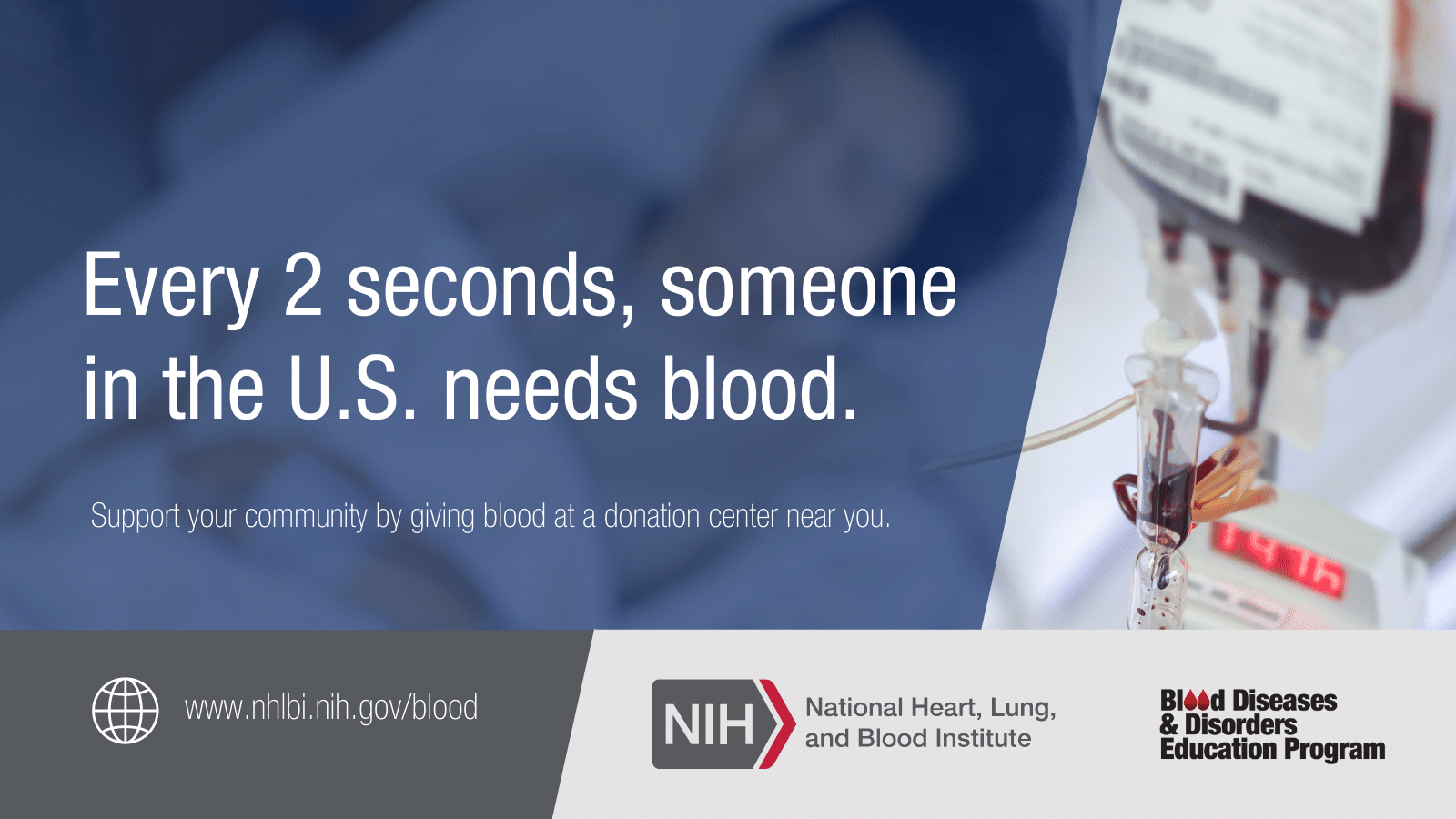
Every 2 seconds, someone in the us needs blood, but only about 5% of age-eligible individuals in the U.S. give blood each year.
Celebrate National Blood Donor Month this January
As experienced leaders in healthcare, Intuitive Learning Solutions is joining a national effort to bring awareness to the need for blood donors and encourage those who can to donate.
Donating blood is free, safe, and usually takes less than 60 minutes. It’s easy to schedule in most places, and a great way to give back to your community and save lives. Each blood donation can save the lives of up to THREE people.
Here is a quick guide on everything you need to know to get started.
Facts about blood donation
- It usually less than 60 minutes to donate blood.
- You can donate every 56 days, up to 6 times a year. If you are donating platelets, you can donate every 7 days, up to 24 times a year.
- All blood types are needed!
- In most states, you must be 17 years or older to donate, but many states allow a 16-year-old to donate blood with parental consent. You must weigh at least 110 pounds and be in good health. Certain medications, medical conditions, travel histories, and personal histories may defer your eligibility or mean you are not eligible to donate.
- Donating blood once can help save the lives of up to three people. The pre-donation screening provides donors with information about their health, and some donors report feeling an improved outlook on life by helping others.
Donors with rare blood types and of certain races and ethnicities are especially needed.
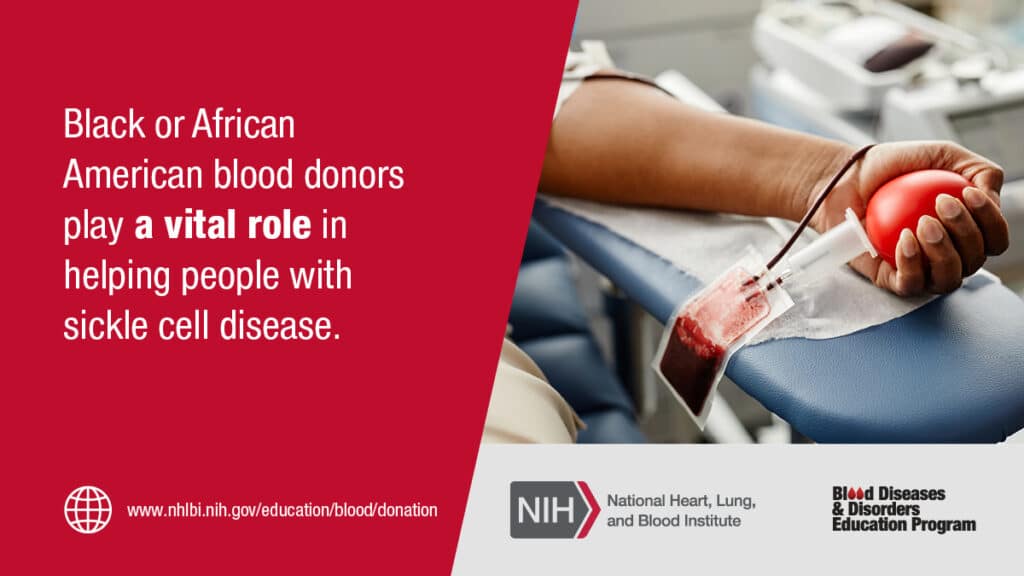
While ALL blood types are needed, for people with some rare blood types especially benefit from donations from people of the same race or ethnicity. Black and African-American donors are especially needed and are a crucial component in supporting people with sickle cell disease.
How Can I Donate?
Finding a donation site varies based on where you live, but there are resources to find a site near you.
The AABB (Association for the Advancement of Blood & Biotherapies) maintains a directory of blood-donation sites that meet their accreditation standards. All you need to do is enter your zip code to see the donation sites closest to you. We used this resource to find our local donation sites and were able to schedule a same-day appointment.
https://www.aabb.org/for-donors-patients/give-blood
If you aren’t able to find a location near you, contact your local hospital or health center to see what blood-donation resources are available in your community.
Give blood today and save a life!
References
Association for the Advancement of Blood & Biotherapies. (n.d.). Give blood. ttps://www.aabb.org/for-donors-patients/give-blood
Cleveland Clinic. (n.d.). Giving blood. https://my.clevelandclinic.org/locations/hillcrest-hospital/about/giving-blood
U.S. Department of Health and Human Services. (n.d.). Blood donation and safety social media resources. National Heart Lung and Blood Institute. https://www.nhlbi.nih.gov/education/blood/social-media-resources/blood-donations-safety
U.S. Department of Health and Human Services. (2025, June 12). Donate blood. Save lives. National Heart Lung and Blood Institute. https://www.nhlbi.nih.gov/education/blood/donation
U.S. Department of Health and Human Services. (n.d.). Giving = living. https://www.hhs.gov/givingequalsliving/giveblood
U.S. Department of Health and Human Services. (2022, March 10). Giving blood and plasma. https://www.hhs.gov/oidp/topics/blood-tissue-safety/giving-blood-plasma/index.html
U.S. National Library of Medicine. (n.d.). Blood transfusion and blood donation. MedlinePlus. https://medlineplus.gov/bloodtransfusionanddonation.html