
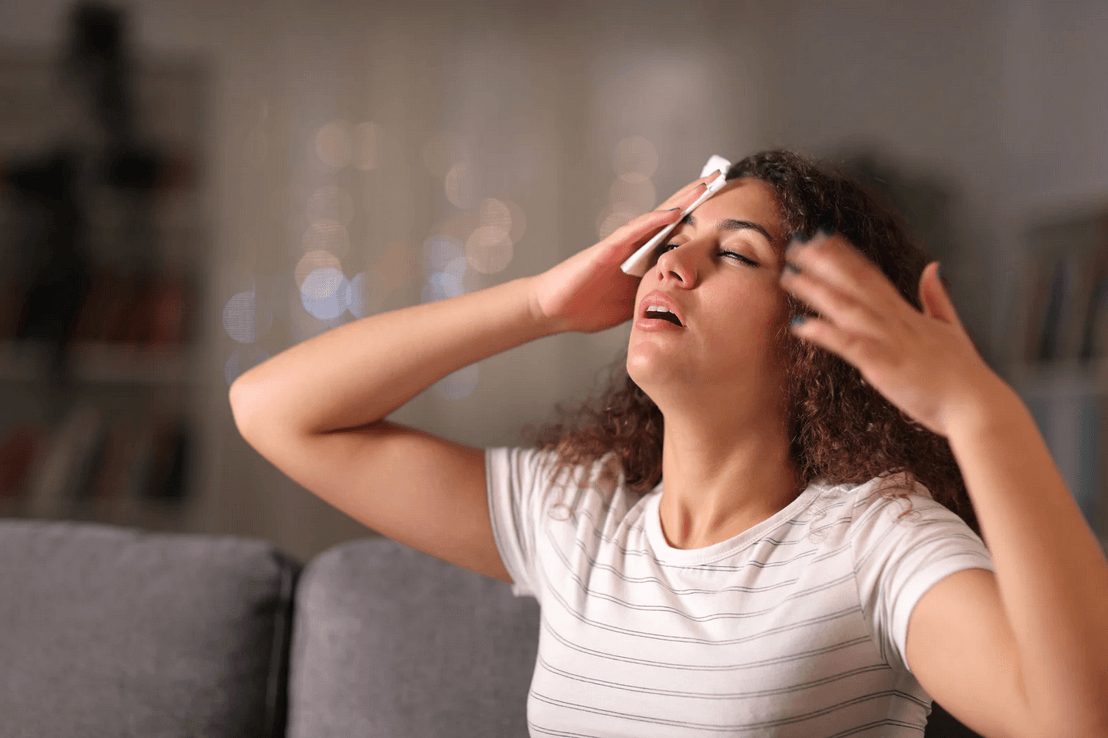
Dehydration directly impacts brain function and can lead to severe neurological symptoms, including hallucinations. Between 2008 and 2012, emergency departments in New York state alone reported nearly 60,000 visits related to dehydration, and research shows that approximately 37% of older adults admitted to hospitals are dehydrated upon arrival.
Even more striking, studies indicate that being dehydrated by just 2% impairs cognitive performance in attention, memory, and psychomotor tasks. The brain, composed of approximately 75% water, requires constant hydration to maintain normal neurological function. When fluid levels drop critically low, the consequences can extend beyond confusion and disorientation to actual perceptual disturbances.
The neurological mechanism behind dehydration-induced hallucinations
When the body loses excessive amounts of water, multiple physiological processes are disrupted simultaneously. The brain depends on adequate hydration to maintain cellular integrity, neurotransmitter function, and proper electrical signaling between neurons.
Dehydration reduces brain tissue volume and alters the delicate balance of electrolytes that regulate neurological activity.
Severe dehydration often leads to either hyponatremia (low sodium) or hypernatremia (high sodium), both of which can cause significant alterations in brain function. Hyponatremia causes cerebral tissue swelling, while hypernatremia leads to dehydration of brain structures themselves. Among patients with sodium levels below 120 mEq/L, approximately 0.5% report experiencing hallucinations.
Research has identified that dehydration may increase excitatory influences in the brain while disrupting the balance between inhibitory and excitatory neural activity. This imbalance creates conditions where the visual cortex and other sensory processing areas become hyperexcitable, potentially generating false perceptions without external stimuli.
Healthcare professionals working in hospice care settings must be particularly vigilant about recognizing these subtle neurological signs in vulnerable populations.
How severe dehydration affects cognitive function and perception
The cognitive effects of dehydration exist on a spectrum, with mild dehydration causing concentration difficulties and severe cases leading to hallucinations. Research demonstrates that a loss of only 1-2% of total body water results in impaired cognitive performance, with elderly individuals showing effects at even lower percentages.
| Dehydration Level | Body Water Loss | Cognitive/Neurological Effects |
| Mild | 1-2% | Reduced attention, concentration difficulties, mood changes |
| Moderate | 3-5% | Memory impairment, increased confusion, slowed reaction time |
| Severe | 5%+ | Delirium, disorientation, visual/auditory hallucinations, seizures |
Studies show that even mild dehydration decreases brain energy, impairs hormone and neurotransmitter production, and can lead to depression, afternoon fatigue, and inability to focus. The brain cannot store water, making continuous hydration essential for maintaining cognitive reserves and the ability to cope with stress.
For healthcare organizations addressing patient mental health, understanding these connections is vital. Implementing psycho-social interventions requires recognizing that physical conditions like dehydration can manifest as psychiatric symptoms.
Documented cases of hallucinations caused by dehydration
Medical literature contains several compelling cases where dehydration served as the primary cause of hallucinations. One particularly noteworthy case involved a 42-year-old woman with no psychiatric history who presented to an emergency department with command auditory hallucinations after becoming severely dehydrated. She experienced visual disturbances, heard music and songs, and exhibited agitated behavior requiring emergency intervention.
Upon diagnosis of hypertonic dehydration and treatment with isotonic fluids, her hallucinations completely resolved within days without psychiatric medication. The resolution of symptoms following rehydration, without antipsychotic treatment, provided strong evidence that dehydration was the sole cause of her psychotic symptoms.
Another documented case involved a 64-year-old man who developed closed-eye visual hallucinations specifically related to hyponatremia following gastrointestinal illness. He visualized strange people in masks approaching him when his eyes were closed, symptoms that resolved completely once his sodium levels normalized through electrolyte supplementation.
These hallucinations resembled hypnagogic hallucinations typically seen during sleep transitions, occurring with eyes closed and with the patient maintaining insight into their unreality.
Healthcare professionals receiving ongoing training must learn to recognize these atypical presentations, especially in home health settings where patients may not have immediate access to emergency medical care.
Populations at highest risk for dehydration-related mental symptoms
Older adults represent the most vulnerable group due to age-related physiological changes, including diminished thirst response, reduced kidney function, and decreased total body water.
Research reveals alarming statistics about dehydration in elderly populations. Among hospitalized older adults, nearly 10% are diagnosed with dehydration, with the prevalence increasing with age and comorbidities.
More concerning, 12% of pensioners admitted to hospital from care homes arrive dehydrated, compared to only 1% of those admitted from their own homes. Dehydrated older adults face twice the mortality risk of their hydrated counterparts, independent of age and comorbidities.
High-risk populations include:
- Adults over 65 years, particularly those with multiple chronic conditions
- Individuals in care facilities or receiving home health services
- Patients with cognitive impairment or dementia who may forget to drink
- People taking diuretic medications or experiencing gastrointestinal illness
- Those living in hot climates or experiencing heat exposure
Clinicians must understand these risk factors. Organizations providing home health training should emphasize hydration assessment as a critical component of patient evaluation to prevent compliance errors that could lead to adverse outcomes.
Treatment approaches and recovery timelines
The treatment for dehydration-induced hallucinations centers on fluid and electrolyte restoration. Intravenous fluid therapy remains the primary intervention, with the specific fluid type selected based on electrolyte abnormalities.
For hypernatremia with elevated osmolality, gradual correction with isotonic saline proves effective. Treatment protocols typically target an increase of approximately 8 mEq/L per day to avoid complications from overly rapid correction.
Recovery timelines vary based on severity:
- Mild to moderate dehydration: Cognitive symptoms may improve within hours of fluid replacement
- Severe dehydration with hallucinations: Complete symptom resolution typically occurs within 2-4 days of appropriate treatment
- Electrolyte normalization: Sodium levels generally return to normal range within 3-5 days with controlled correction
Documentation of medical case studies shows that hallucinations resolve completely once hydration status normalizes, often without requiring psychiatric medication. One patient whose hallucinations resolved with rehydration alone was carefully monitored and showed no recurrence of symptoms following discharge.
Prevention strategies for vulnerable individuals
Preventing dehydration-related complications requires systematic approaches, particularly for high-risk populations. Healthcare providers working in community settings must implement proactive hydration monitoring as part of routine patient care.
Effective prevention strategies include:
- Regular hydration assessments during patient visits, checking for physical signs of fluid deficit
- Establishing individualized fluid intake goals based on age, medical conditions, and environmental factors
- Monitoring medications that increase dehydration risk, including diuretics and certain psychiatric medications
- Educating patients and caregivers about early warning signs such as dark urine, dizziness, and reduced urination
- Creating environmental supports such as accessible water sources and scheduled drinking reminders
Research indicates that adults should consume approximately 1.5 to 1.8 liters of water daily, though individual needs vary based on age, activity level, and environmental conditions. For older adults with diminished thirst response, proactive fluid intake becomes essential rather than relying on thirst as an indicator.
Healthcare organizations must ensure their staff receive comprehensive education about hydration management. Programs focusing on clinician education and wellbeing should incorporate modules on recognizing and preventing dehydration in vulnerable populations, as this knowledge directly impacts patient safety outcomes.
The importance of comprehensive assessment in home health and hospice settings
The complexity of caring for patients with multiple comorbidities requires clinical judgment that integrates physical and mental health assessment. Understanding that conditions like dehydration can present as hallucinations prevents inappropriate psychiatric referrals and ensures patients receive targeted medical treatment.
Organizations providing hospice ongoing training must emphasize differential diagnosis skills. Training programs should include real-world examples of care situations where common medical conditions are presented atypically, reinforcing the importance of ruling out physiological causes before attributing symptoms to psychiatric disorders.
For busy clinicians managing multiple patients, microlearning approaches can effectively deliver essential information about recognizing dehydration and other medical emergencies. These brief, focused educational modules allow healthcare workers to maintain current knowledge without overwhelming their schedules.
Ensure your team recognizes critical conditions through training
The connection between dehydration and hallucinations underscores the complexity of providing quality healthcare. Healthcare professionals must possess the knowledge and skills to identify medical emergencies that present with psychiatric symptoms, ensuring patients receive appropriate life-saving interventions rather than delayed or misdirected care.
Intuitive Learning Solutions specializes in developing training programs that prepare home health and hospice clinicians to recognize and respond to complex patient presentations. Our courses address critical assessment skills, differential diagnosis approaches, and evidence-based interventions that directly impact patient outcomes and safety.
Protecting vulnerable patients demands systematic education that builds clinical competency across your entire care team. Organizations that invest in ongoing professional development demonstrate measurably better patient outcomes, reduced adverse events, and improved regulatory compliance.
Partner with Intuitive Learning Solutions to strengthen your team’s clinical capabilities and ensure every patient receives the comprehensive assessment they deserve, regardless of care setting.
All content available on or through the website is intended solely as a general educational aid for informational purposes only. It is not medical or healthcare advice, and it is not to be used for medical diagnosis or treatment. It is not a substitute for professional advice and services from a physician (or other qualified healthcare provider,) always seek the advice of a patient’s physician (or other qualified healthcare provider) regarding any medical condition and before changing a treatment or starting any new treatment.
If you suspect an urgent medical problem or condition, contact a qualified healthcare professional immediately. If you are in the United States and a patient is experiencing a medical emergency, they should call 911 or the local emergency line. Please take note of the date provided at the end of any text or documents contained on the Website. Ongoing advancements in scientific, medical, healthcare, technology, and other related fields may outdate or alter the overall usefulness and accuracy of the content.